Game Night Predictions: A Side Game for Any Game
Add a prediction layer to your next game night: three formats, sample YES/NO questions for board, card and party games, and a timeline for the evening.

In short
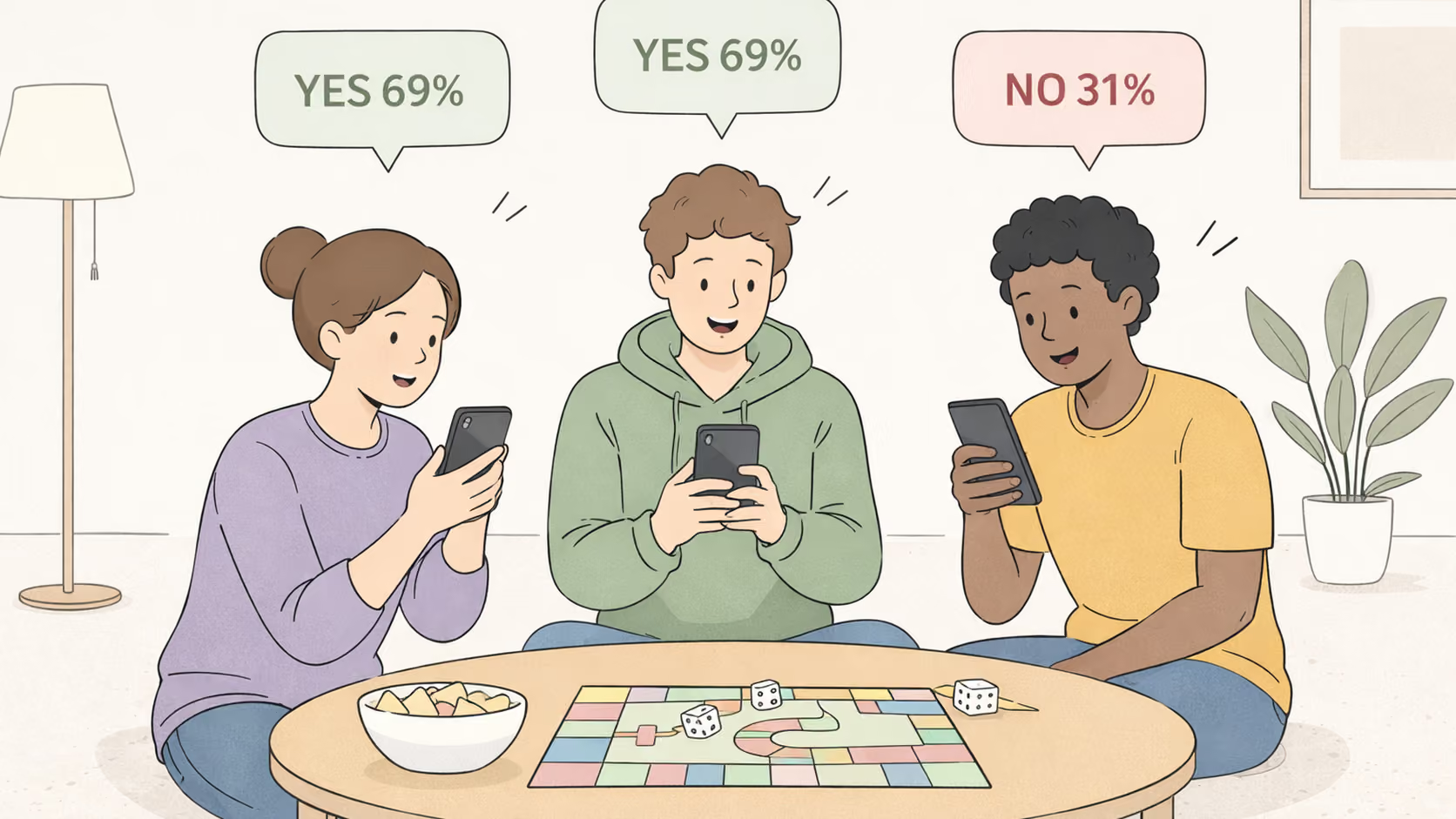
A prediction layer is a short set of YES/NO questions about your game night, answered before play starts and resolved at the end. It gives everyone a second contest: calling the table instead of only winning it. Pick a format, write three to five checkable questions and close them before the first turn.
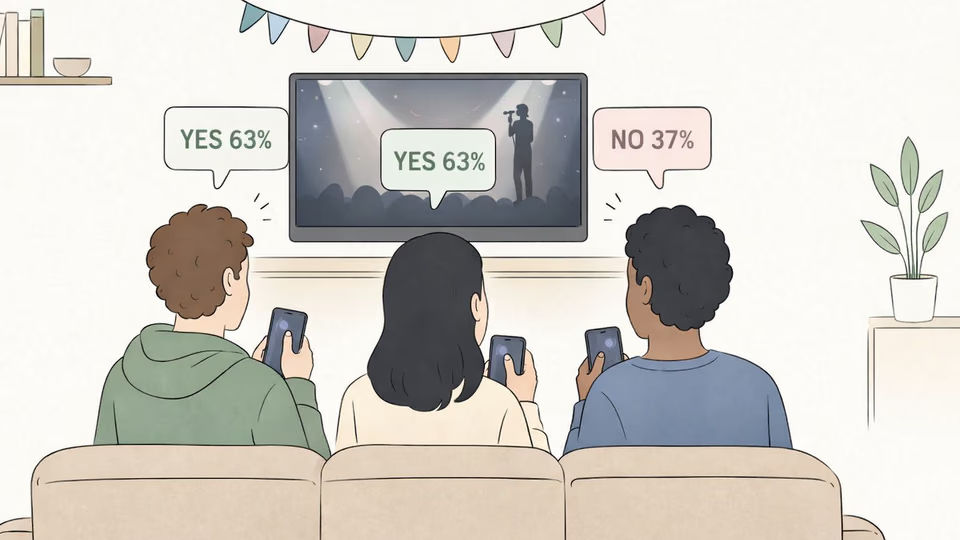
Most game nights have a quiet moment just before the first turn, when everyone is silently sizing up the table. Someone mutters that they always lose at this one. Someone else announces a strategy. A prediction layer turns that moment into part of the game: a few YES/NO questions about the evening, answered by everyone before play begins and settled at the end.
This isn't a list of games to play. It's a way to add a second contest to the board, card or party games you already own, with three formats, sample questions for each type of game and a timeline for the evening.
What Does a Prediction Layer Add to a Game Night?
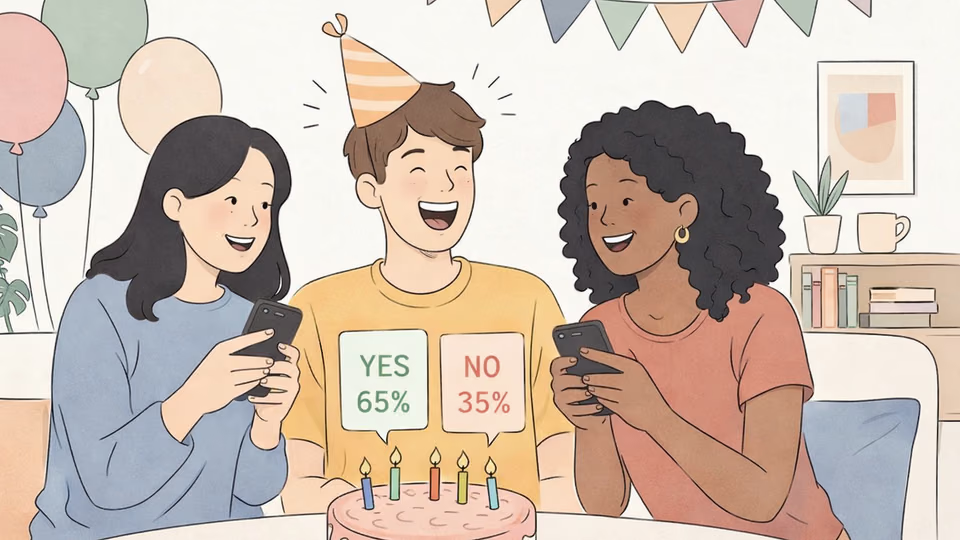
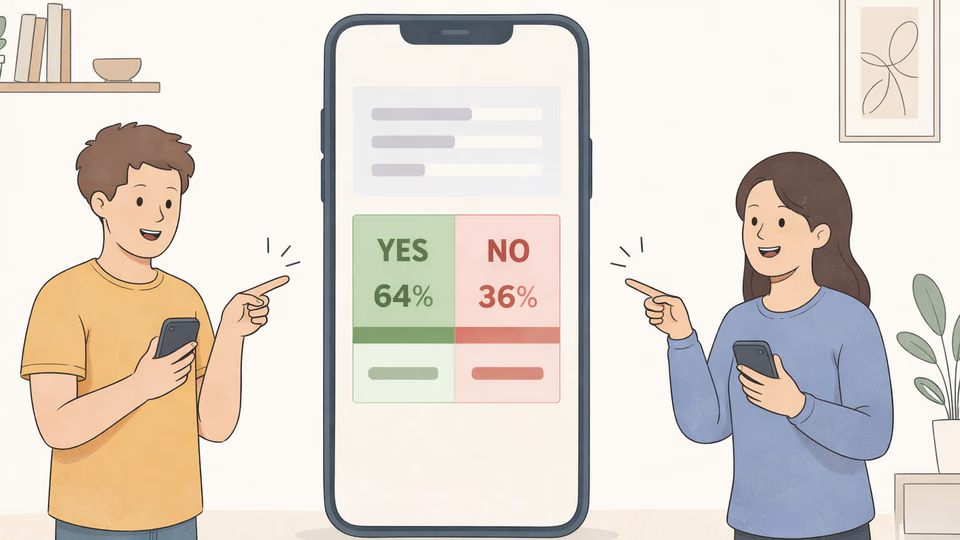
A prediction layer is a short set of YES/NO questions about the games you're about to play, so every friend competes twice: once in the game and once in calling it.
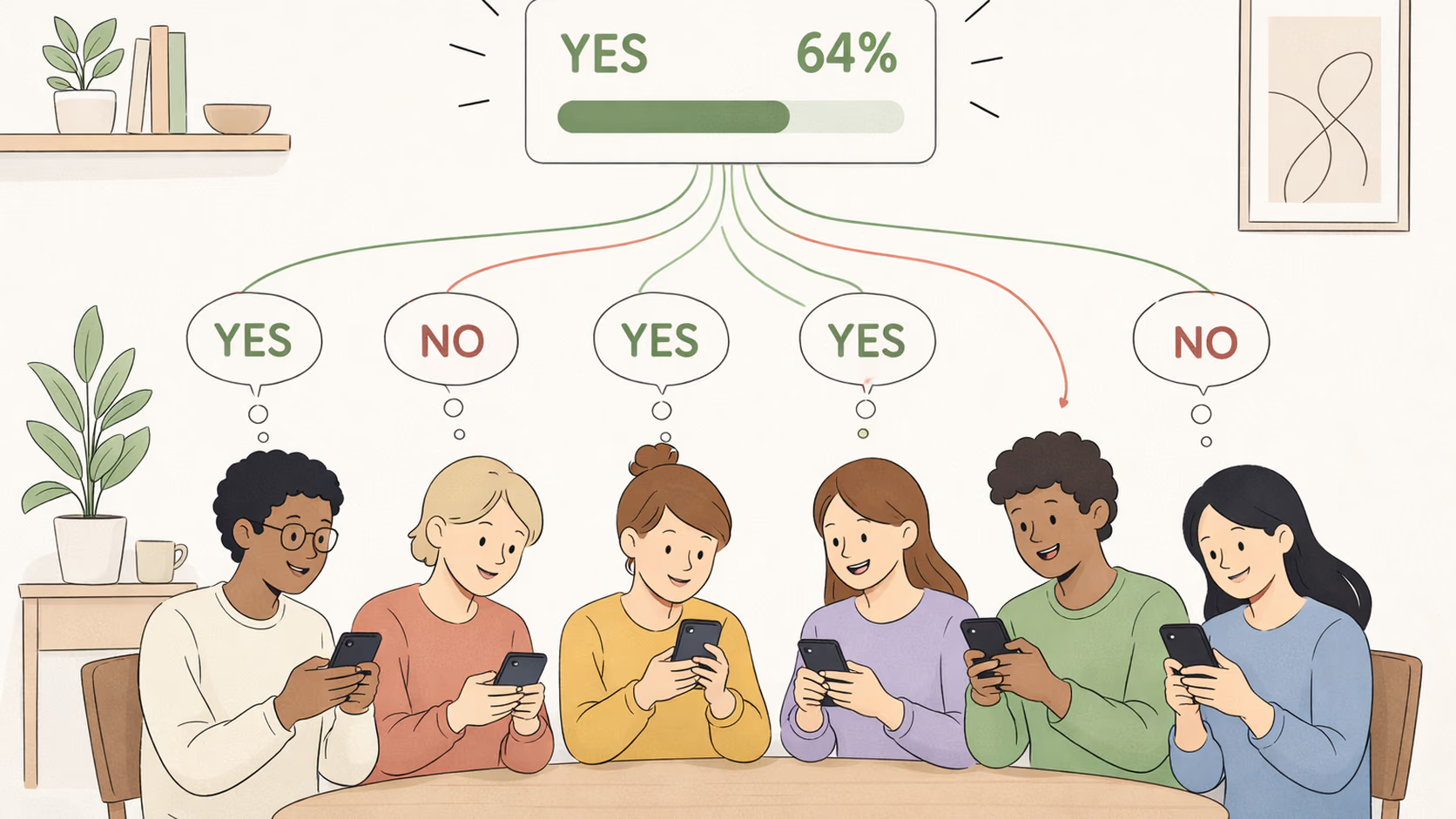
That second contest spreads the fun around. In most game nights, the player who loses a round drifts out of the story. With predictions, the person who finished last might have called the winner perfectly, while the winner was wrong about everything else. It also fills the dead time while someone reads the rules and gives the evening a natural ending when the results are read out.
Which Prediction Formats Work at a Game Night?
Three formats cover most evenings. Start with the first, and add the others once the group is hooked.
The pre-game calls
Before the first turn, each friend answers three to five questions about the game ahead. Predictions close when play begins, and the host resolves them from the final scoreboard. This is the easiest format, and it works for any game.
The half-time check
Write one or two questions that close midway, such as "Will the player in the lead after round three still be in the lead at the end?" Because a market needs a closing time set when it is created, plan the midpoint in advance and add some slack. This format suits long strategy games, where the middle is when people drift to their phones.
The evening-long question
One question covers the whole night: "Will anyone win two games tonight?" It closes before the first game and resolves after the last. It gives the final round extra tension, and it is how a running leaderboard across several evenings begins.
What Should You Predict for Each Type of Game?
Good questions point at something visible that no one can argue about: a scoreboard, a timer or a count. "Will it be a fun game?" can't be resolved, but "Will the game end before 10 pm?" can.
| Game type | Example questions | How it resolves |
|---|---|---|
| Strategy board games | Will a player who didn't go first win? Will the game last longer than the time printed on the box? | Final scores and a timer from the first turn |
| Party and word games | Will any round end in a tie? Will the team that leads at the halfway point win? | The scoreboard at the end |
| Card games | Will anyone win three rounds in a row? Will the final round be decided by fewer than 10 points? | The score sheet |
| Cooperative games | Will the group win on the first attempt? Will we finish with at least one lifeline left? | The result of the game |
| Trivia | Will any round have a perfect score? Will the team that scored lowest in round one win overall? | The quiz sheet |
A handful of questions need no knowledge of the game at all, which helps mixed groups where some friends have played a hundred times and others are learning on the spot: "Will a first-time player win?", "Will someone ask to re-read a rule during play?", "Will we start a second game before 11 pm?" and "Will the game finish within the time on the box?"
How Do You Predict Who Wins Without Making It Awkward?
Predicting a winner is the heart of the idea, and the part that needs care, because nobody wants to feel like the one everyone expects to lose. Phrase outcomes in neutral terms, such as "Will a first-time player win?" instead of "Will Sam lose again?" Let anyone skip questions about themselves, no explanation needed. And write at least one question where the surprise is the exciting answer, so the underdog gets a moment.
If your group likes naming names, you can try one question per player: "Will Alex win this game?" The live probability then shows how the table sees each person, and it is often a pleasant surprise to find friends believe in you. Keep to the principles in how to keep predictions about friends kind: ask for consent, and drop any question that makes someone uncomfortable.
How Do You Build a Whole Evening Around It?
A good evening has a shape, and the predictions should fit around the games, not interrupt them. Here is one for about three hours.
| Time | Moment | Prediction angle |
|---|---|---|
| Arrival | Snacks and chat | Friends make their calls from their phones |
| First game | A short warm-up | Two or three questions about the winner and the length |
| Main game | The long one, usually strategy | Pre-game calls, plus one half-time question |
| Break | Drinks and snacks | The host resolves, reads the notes aloud and shows the standings |
| Final game | Something fast and silly | The evening-long question gets its answer |
The host writes the questions, closes them and resolves the results. Rotating that role each time keeps the work small and stops one person from always defining what counts. A host who is also playing can't easily be neutral, so in a group of six or more, name a separate scorekeeper. For wording that avoids arguments about ties and house rules, how to write rules that settle disputes before they start has examples. And if you want the full version with invitations and a planned program, a step-by-step plan for a prediction party covers it.
How Do You Run It on KrowdCall?
The host creates one private market per question before guests arrive, writes in the rules exactly what counts, such as "decided by the final scoreboard of game one", and sets the closing time a little after the planned first turn. A market has to close at least about 30 minutes after you create it, so create the questions earlier in the day. The fast-moving price setting suits small groups, because a few predictions visibly move the probability.
Then share the market's invite link in the group chat. Friends who open it sign in with Google, join at once and predict with free virtual Coins as they arrive. After each game, the host resolves the matching markets YES or NO. Check the Players count before reading much into a probability: with only two or three people, it's just their opinion.
You can create your first question in a couple of minutes.
How Do You Keep Score Across Several Game Nights?
A single night is fun, and a running tally across a season is what keeps people coming back. Compare each person's results on the game night markets over time, pass a small trophy to the best caller of the month and record its history in the group chat, or give each night a theme with its own champion.
Keep the reward light: a silly title or the right to choose the next game is plenty, and why friendly competition works better without money explains why. For other occasions to try the same idea, see 25 prediction game ideas by occasion.
Game night is already a good idea, and a prediction layer doesn't replace it. It adds structure to the part of the evening that is usually improvised: the banter, the boasting and the "I told you so" at the end. A few questions and a title that lasts until next time is plenty.
Frequently asked questions
Find quick answers to the most common questions about this topic.
Before the first game starts, each friend answers a few YES/NO questions, such as who will win or how long the game will last. Predictions close when play begins, the host resolves the questions from the scoreboard afterwards, and a running tally shows who read the table best across the evening.

Author
BrumaReady to test your predictions?
Put your foresight to the test. Create your first prediction market in seconds — completely free, with no real money involved.