Predictions About Friends: 5 Rules to Keep It Kind
Is it okay to make predictions about friends? Yes, with five rules: ask first, joke about situations, skip sensitive topics, stay private, resolve fairly.

In short
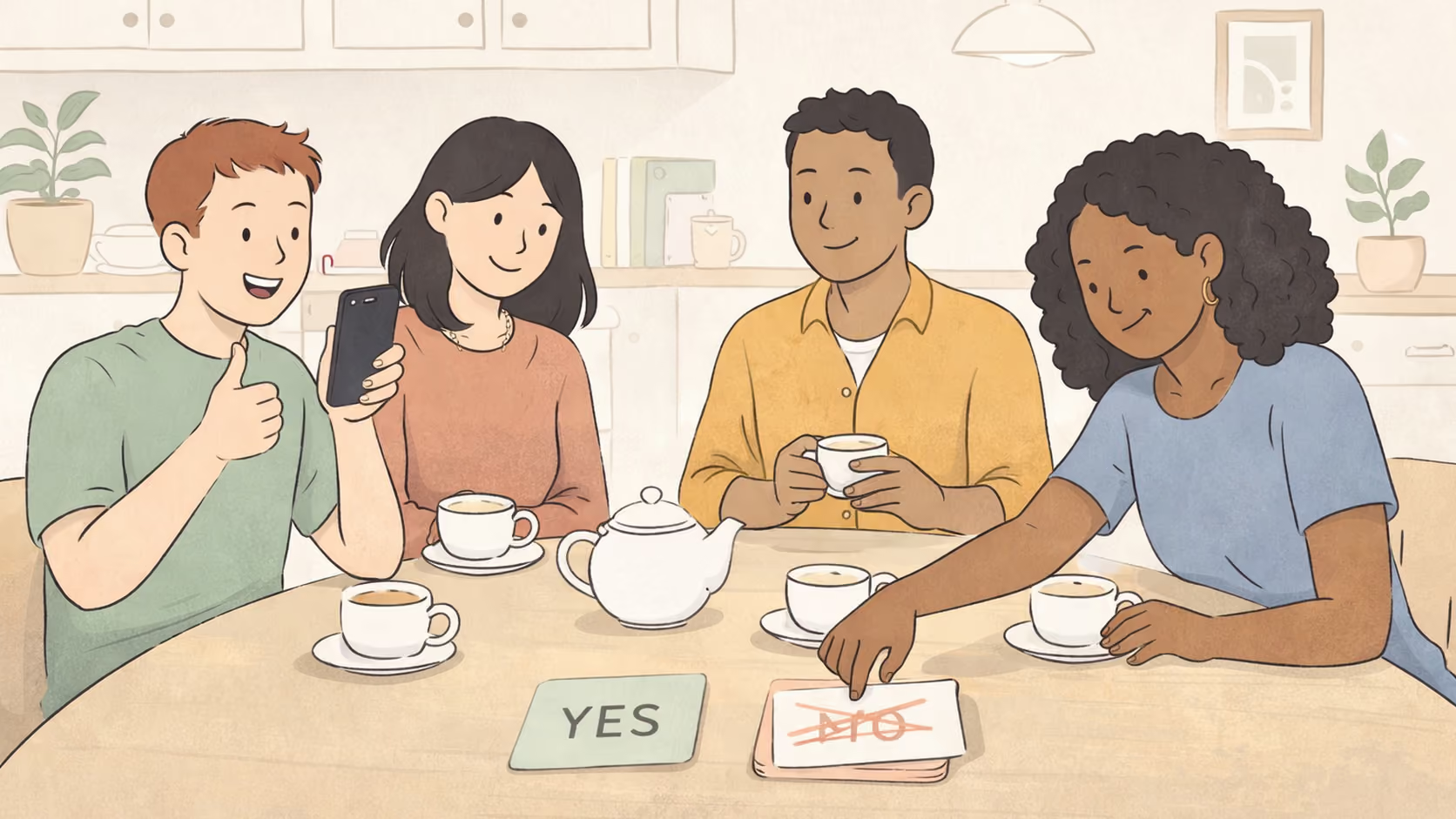
Predictions about friends are fine when the friend is in on the joke. Five rules cover nearly every case: ask first and let anyone veto, joke about the situation and not the person, skip sensitive topics, keep it inside the group, and resolve honestly or cancel.
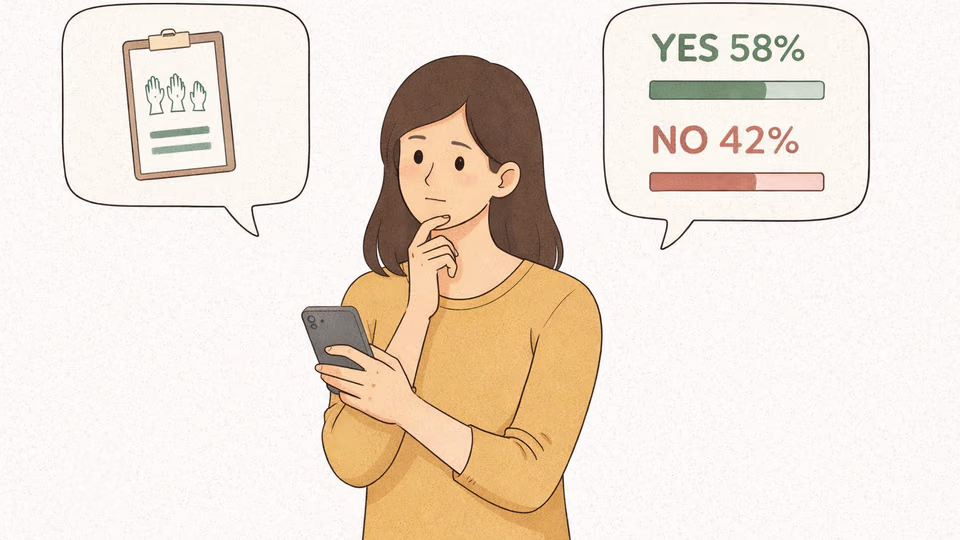
You have a brilliant question in mind: "Will Priya be late to Dani's party?" Everybody will laugh. Then you hesitate. Does Priya know about the game? Will she feel singled out? Is there a version of this that is funny and kind?
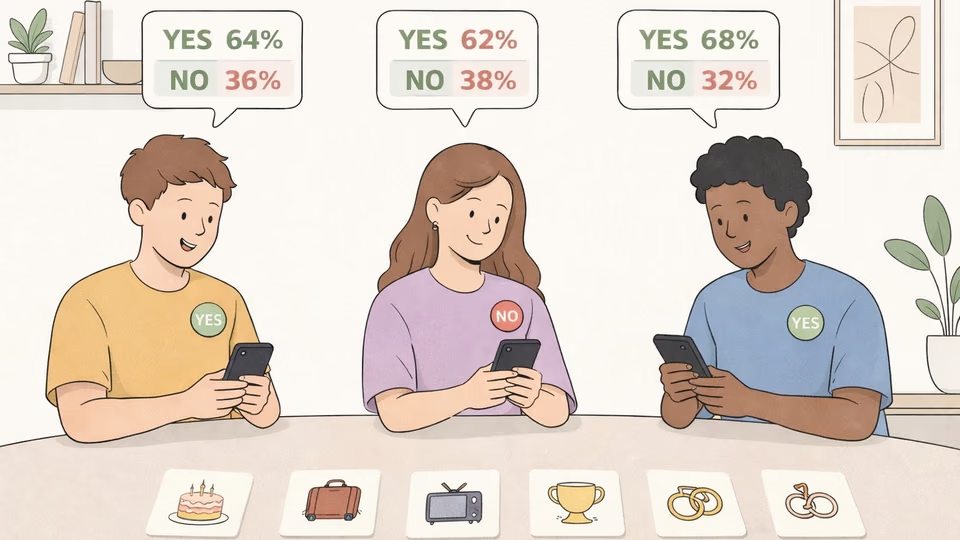
That hesitation is good etiquette doing its job. Predictions about friends turn running jokes and shared plans into a game, but they involve real people, so a few unwritten rules matter. The short answer to "is it okay?" is yes, as long as the person is in on the fun. Here are five rules that cover almost every case, with the reasoning behind each, so you can handle the situations this page doesn't list.
Why Does a Game About Friends Need Rules at All?
Because a prediction about a person has an audience. A friend who would shrug off a comment at dinner may feel differently when twelve people have predicted something about them and the answer sits in a feed.
The risk isn't that your friends are fragile. It's that nobody can tell from a screen how a joke lands, and a game adds an audience to every line. One idea sits under all five rules: the person being predicted about should be in on the fun. For a bank of questions that already pass these rules, see 100 prediction questions about friends.
What Are the Five Rules for Predicting About Friends?
1. Ask first, and make saying no free
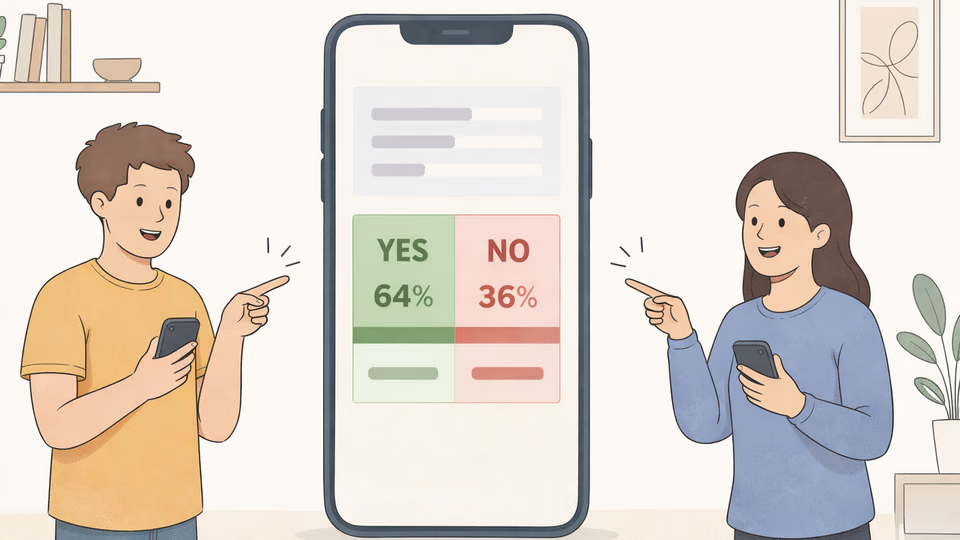
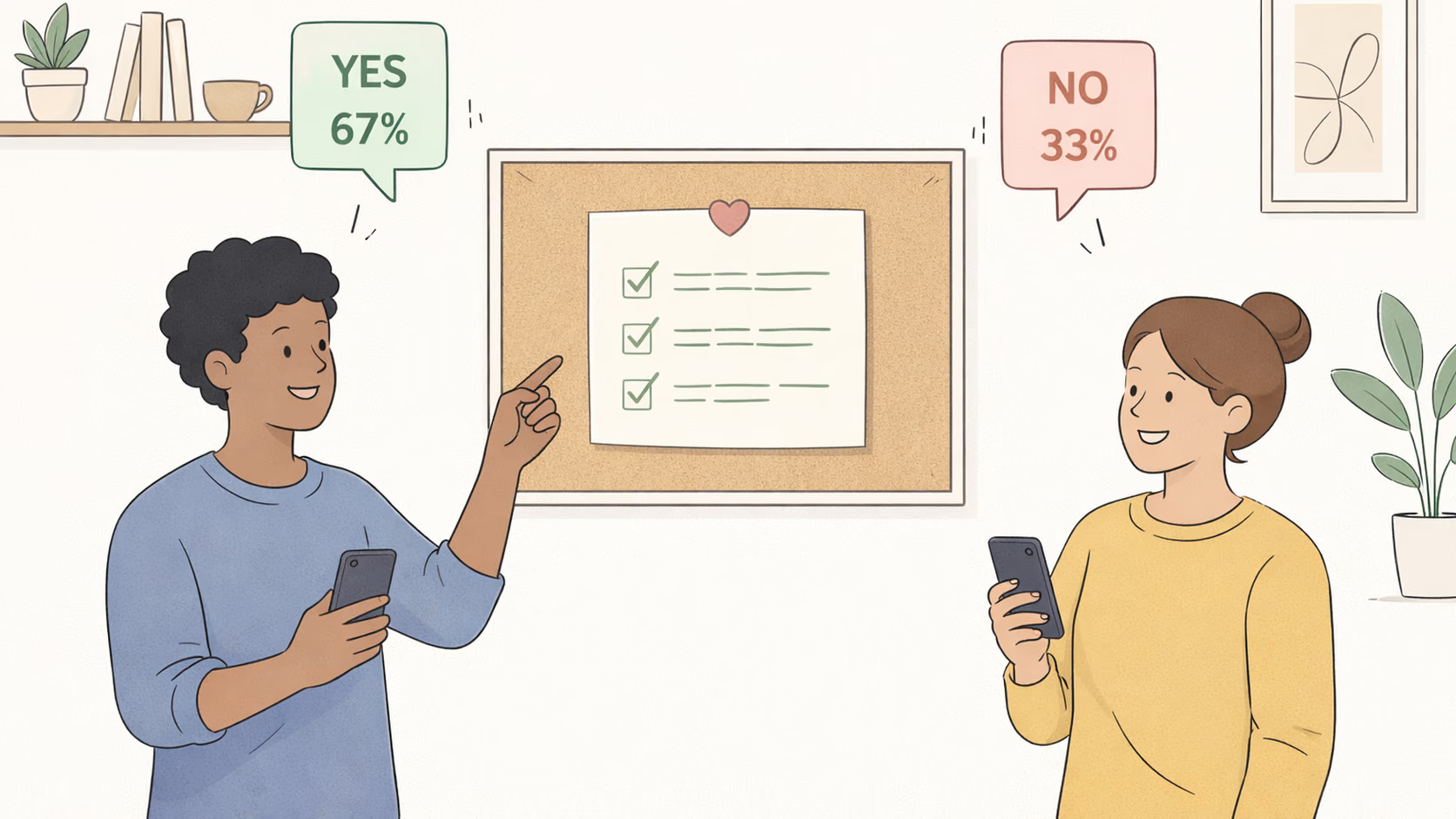
If a question is about a person, tell them before it goes live. Asking takes ten seconds: "Okay if I add 'Will you arrive after 8 pm?' to our game?" Most friends say yes happily, and being asked is part of the fun.
The second half matters as much. A veto must cost nothing, because someone who has to justify a no will often say yes against their own comfort. Make the default reply "sure, I'll drop it." This also covers groups of mixed closeness: a joke that works among old flatmates can land flat with a newer friend who doesn't know the history, so ask more, not less, when the group is new.
2. Joke about the situation, not the person
Compare "Will Marco burn the pasta again?" with "Will Marco prove he's hopeless in the kitchen?" The first is about an event with a funny history. The second is a verdict on a person. Good prediction questions describe things that happen, not who someone is. If you can rewrite a question so the subject is the pasta, the party or the plan, do that.
3. Keep sensitive topics out, and unannounced news too
Some topics are risky even among close friends, because the answer may involve something painful or private.
- Health, weight, mental health or anything medical
- Breakups, dating, fertility, and pregnancies or engagements that haven't been announced
- Money: salaries, debts, rent trouble, job loss or promotions
- Family conflicts, legal issues or anything someone told you in confidence
A quick gut check: would the person be comfortable if their boss, their parents or a new acquaintance saw the question? If not, rewrite it or drop it. Happy milestones need the same care. A wedding, a birthday or a baby shower belongs to the people at the center, so ask them first, keep questions about the event rather than the people, and let them confirm outcomes. Getting a couple's blessing for a wedding game and running a baby shower game without guessing private news show how that looks in practice.
4. Keep it inside the group
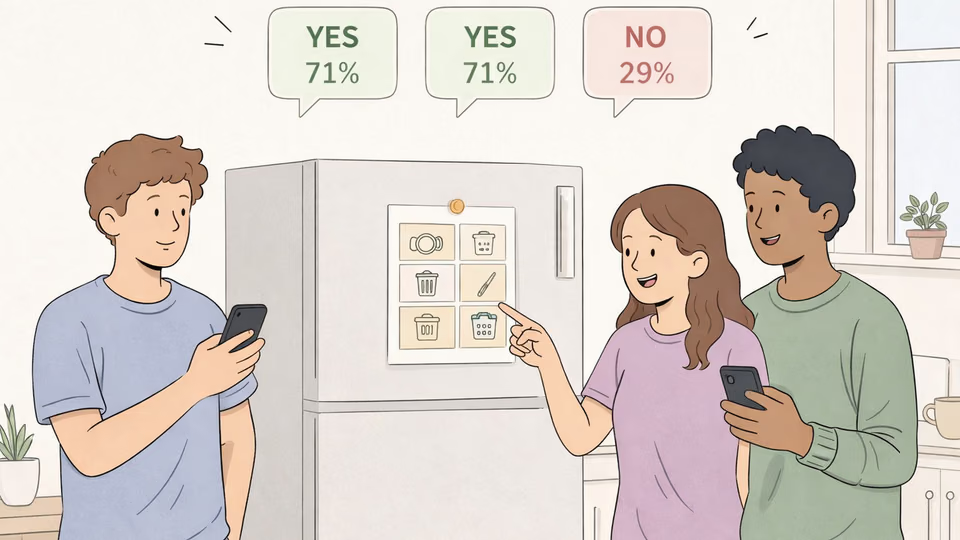
Share each question with the smallest group that cares about it. A question about Priya's lateness belongs with people who know Priya; a question about the weather at the beach house can go to everyone. People outside the game can't say no, so they shouldn't be the subject, and screenshots of questions shouldn't leave the chat.
| Type of question | Best audience | Why |
|---|---|---|
| One friend's habit or quirk | A small circle that includes that friend | They should see it and be able to react |
| A shared plan or trip | Everyone going | Everyone has context and cares about the outcome |
| A public event, like a match or a finale | Anyone in your group | No personal subject at all |
| A friend's milestone | Guests, with the person's blessing | Keeps surprises safe and avoids awkward guesses |
Private is the safer default: a public market can be found and joined by anyone, which suits a big shared event and fits a joke about a friend poorly. How private markets decide who can see and join explains the mechanics.
5. Resolve honestly, and cancel freely
Don't fudge an outcome to favor or embarrass anyone, and tease gently: nobody should feel they lost something real. A written rule helps, because it settles things before feelings are involved. If a question stops being fun, drop it with no blame. Canceling isn't a failure; it's the game working as a safety valve. How to resolve a prediction so everyone accepts the result covers the hard cases.
What Should You Do When a Question Lands Badly?
Respond quickly and plainly. Say "you're right, I'll take it down" instead of explaining the joke, because defending it only prolongs the awkwardness. Then cancel the question so nobody loses anything real, and check in privately with the friend a day later if they seemed bothered. If it keeps happening, change the group's habit: for example, agree that every question about a person gets a quick okay in the chat before it goes live.
How Does This Look on KrowdCall?
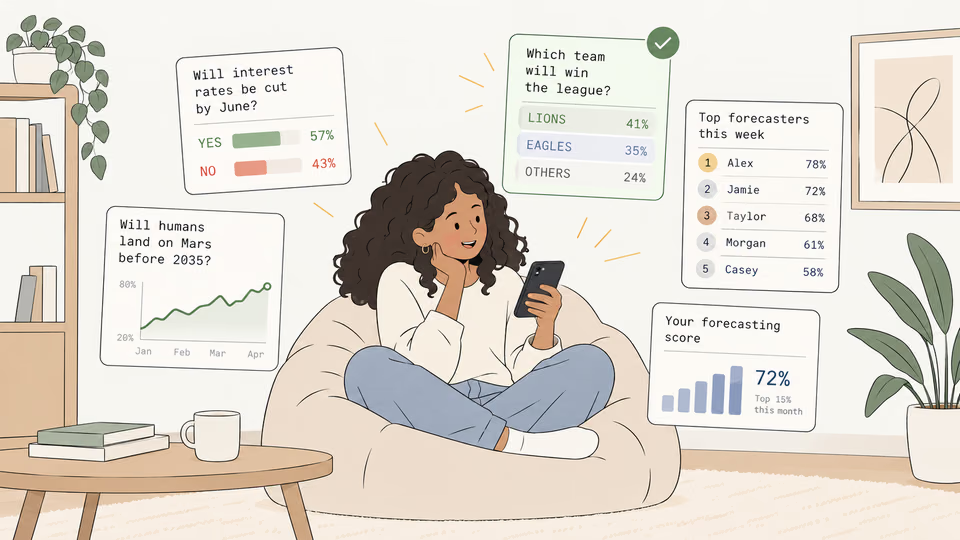
A creator cancels a market that isn't resolved yet, and everyone gets back what they put in. Markets are private by default, so a question about a friend stays with the people you invite: you share the market's invite link in the group chat, or invite friends by username, and you can reset the link if it ends up where it shouldn't. Once a market has predictions, its description and resolution rules can't be edited, which protects everyone from sneaky changes, so agree the wording first. Create a question only after the person it concerns has said yes. For a house or a group chat that plays often, house rules for a roommate prediction game shows these rules written as a short agreement.
What Is the One Test for Every Question?
Before you post, imagine the friend reading it with the whole group watching. If you can picture them smiling, send it. If you can picture a flicker of discomfort, rewrite it or drop it.
Etiquette isn't about taking the edge off your jokes. It's about making sure everyone is laughing together, which is what makes people want to keep playing. Get that right, and the game outlasts any single question.
Frequently asked questions
Find quick answers to the most common questions about this topic.
Yes, if the questions are light, the friend is in on it and the topic is something they are happy to share with the group, like arriving on time or winning game night. Ask first, keep it private to the group and drop any question that makes someone uncomfortable.

Author
BrumaReady to test your predictions?
Put your foresight to the test. Create your first prediction market in seconds — completely free, with no real money involved.