Games for Long-Distance Friends: 8 Async Ideas
Eight games for long-distance friends that work across time zones, with rules, sample rounds and a prediction ritual that keeps a scattered group talking.

In short
Games for long-distance friends work best when they are asynchronous, short and recurring. Eight formats, from a weekly prediction to a photo prompt and a monthly video night, let friends in different time zones play on their own schedule. Pick one ritual and keep it going.
When your friends live in five cities and three time zones, the group chat becomes the only room you share. It fills up with plans that never happen, and the same two people talk while the rest watch. Nobody did anything wrong. Distance just makes spontaneous contact rare.
The fix isn't a bigger plan. It's a small, repeatable game that anyone can play from wherever they are. Below are eight games for long-distance friends, each with how to run it and an example round, starting with the ones that need no one to be online at the same time.
What Makes a Game Work Across Time Zones?
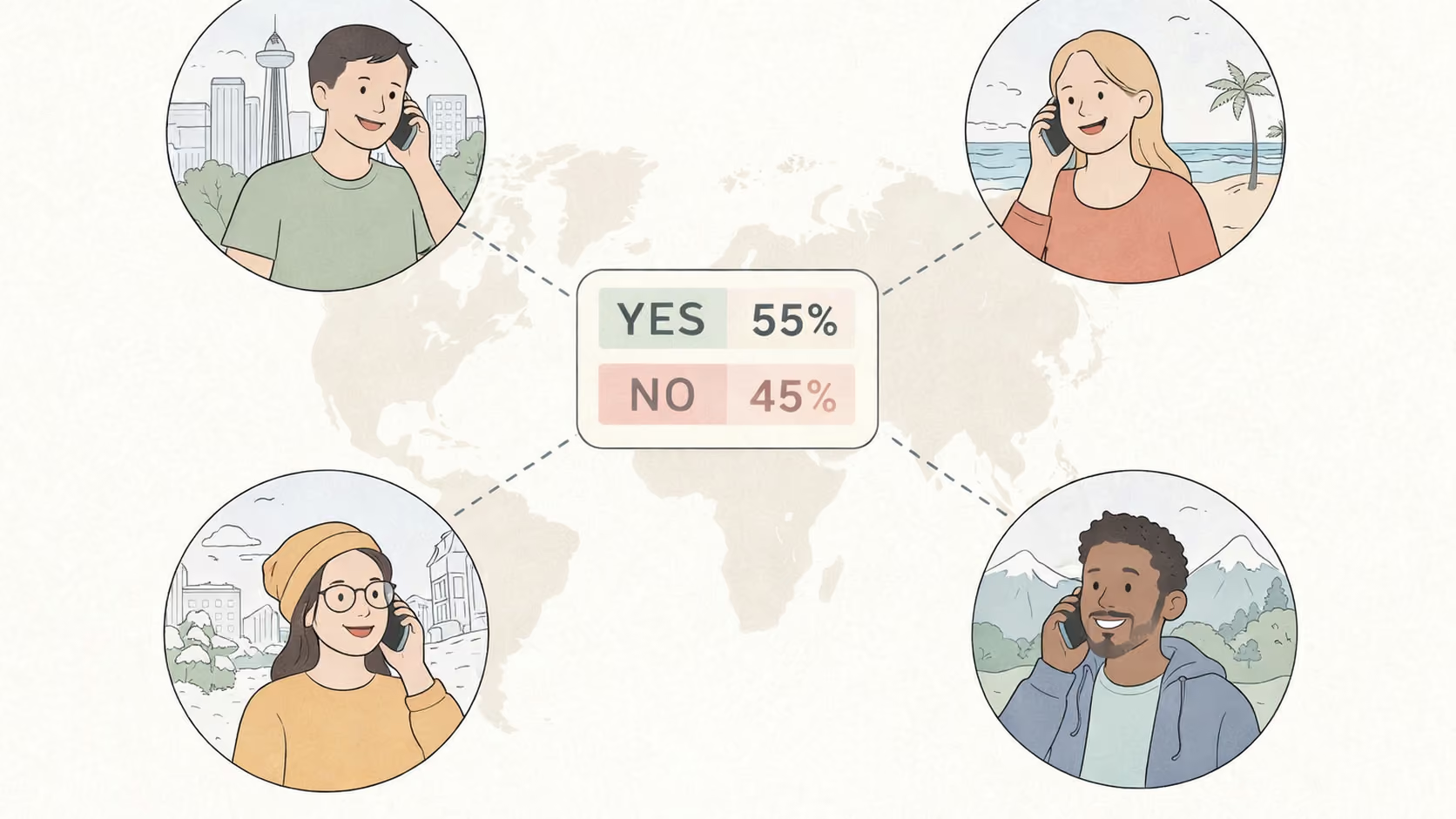
A game works across time zones when it doesn't need everyone online at the same moment. In other words, it is asynchronous: each person plays inside a window that suits their day.
Four rules cover most of it. Keep the window long, because a question open for days beats a live quiz at 8 pm that falls at 3 am for someone. Keep each turn tiny: one photo, one word, one YES or NO. State deadlines so nobody can misread them, such as "Friday at 18:00 UTC", or list two or three cities. And if you do hold a live session, rotate the time so the same friend isn't always up at midnight.
| Game | Everyone online at once? | Effort per person | Best cadence |
|---|---|---|---|
| Prediction of the week | No | Under a minute | Weekly |
| Friend's milestone | No | Under a minute | Whenever someone has one |
| Photo prompt | No | A few minutes | Weekly |
| Playlist guessing | No | Five minutes | Weekly |
| Rotating-host trivia | No | Five minutes | Weekly or biweekly |
| Caption contest | No | A minute | Anytime |
| Video call game night | Yes | An hour | Monthly |
| Watch together | Yes | A film | Monthly |
Which Prediction Games Work for Friends Far Apart?
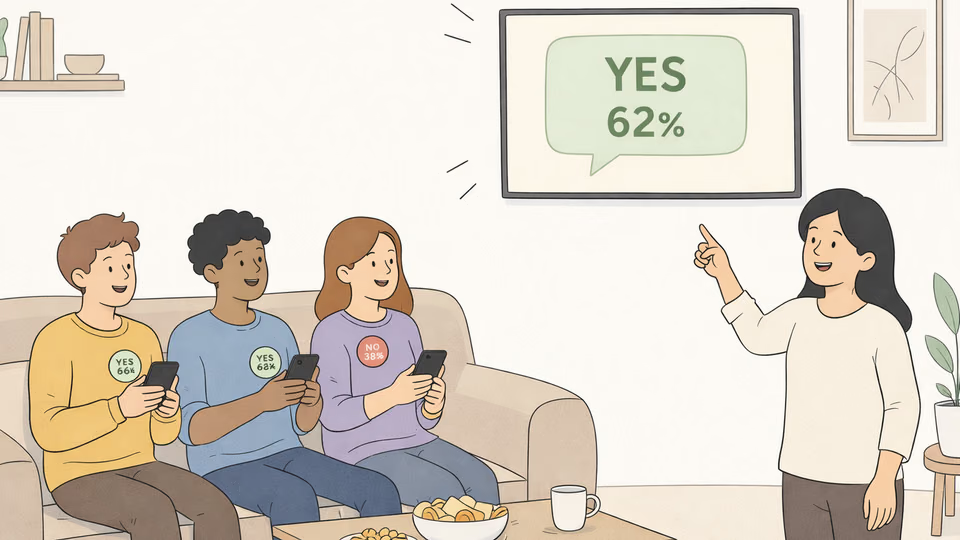
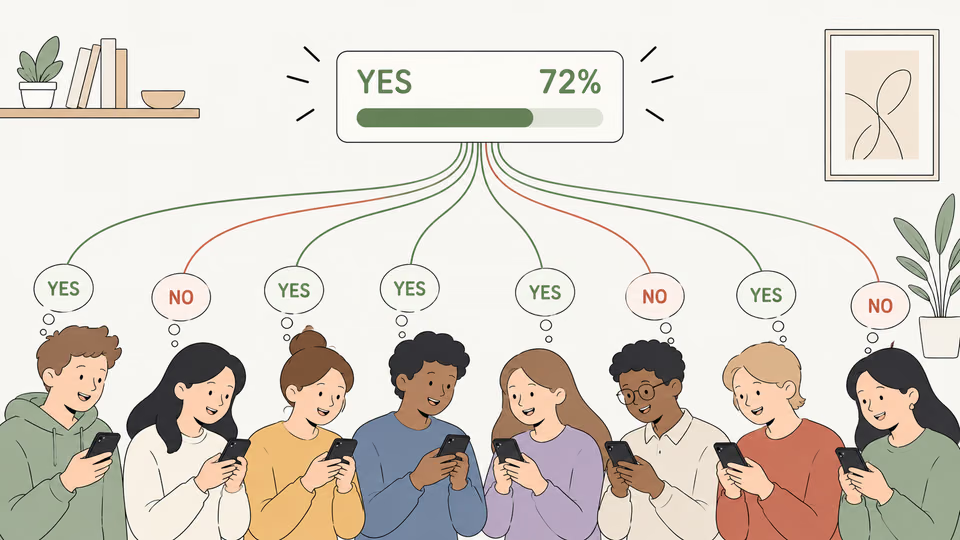
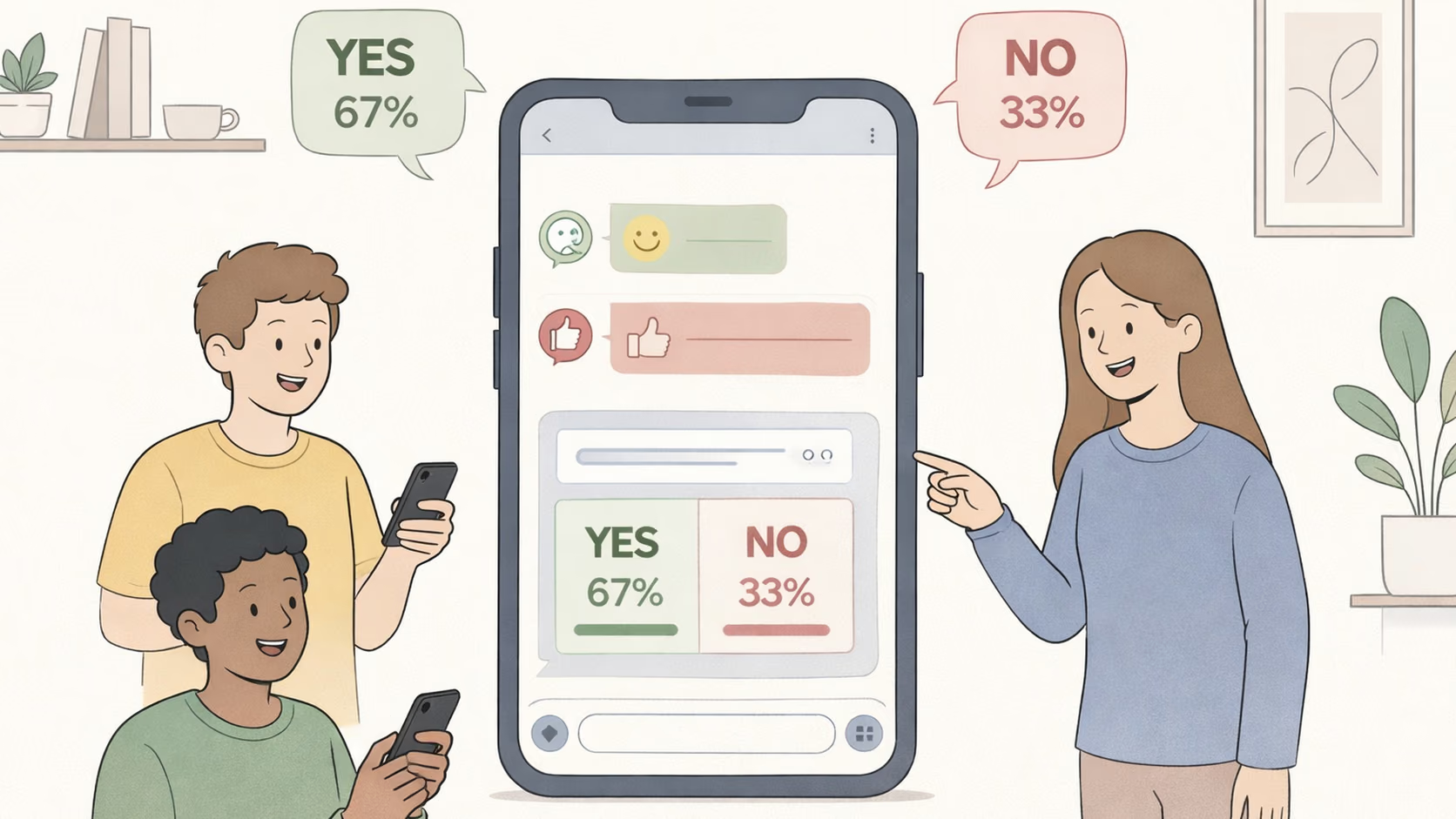
Prediction games suit distance because the question stays open while everyone gets on with their lives. A prediction is a call on a YES/NO question that will be answered later, and the group sees who was right once it is.
1. The prediction of the week
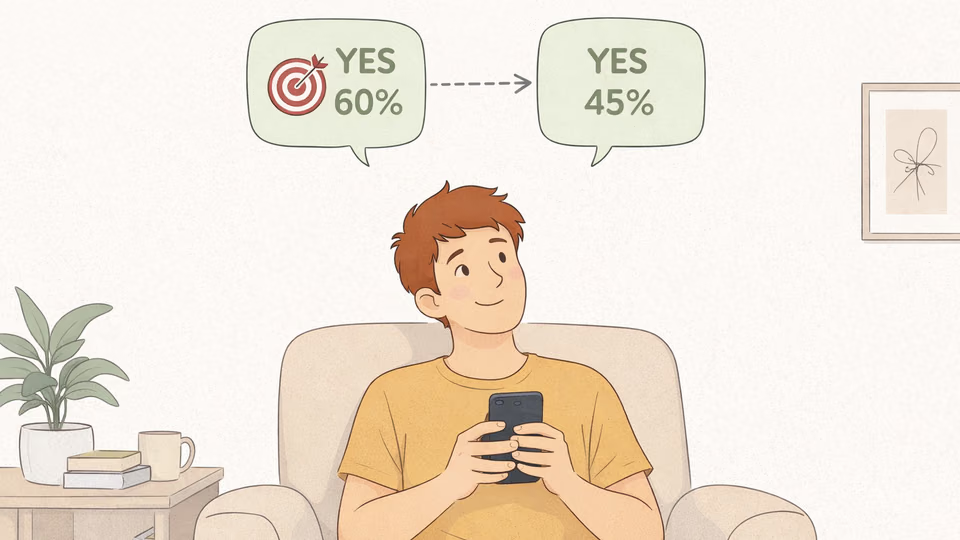
One friend per week, rotating, posts a question about something the whole group can check. Two that work: "Will it rain in Lisbon this Saturday?", resolved by the friend who lives there with a photo of the sky, and "Will we have a date for our next in-person reunion by January 31?", resolved by whether a date is in the chat. The reunion question tends to get a lower probability than anyone hopes, which is a gentle nudge to book something.
Run it like this: post the question on Monday, close it Friday at a stated UTC time, resolve it over the weekend and name the best caller of the week. Longer questions work too: a closing time can be up to two years ahead, and time capsule predictions for one, five and ten years shows how to use that.
2. A friend's milestone
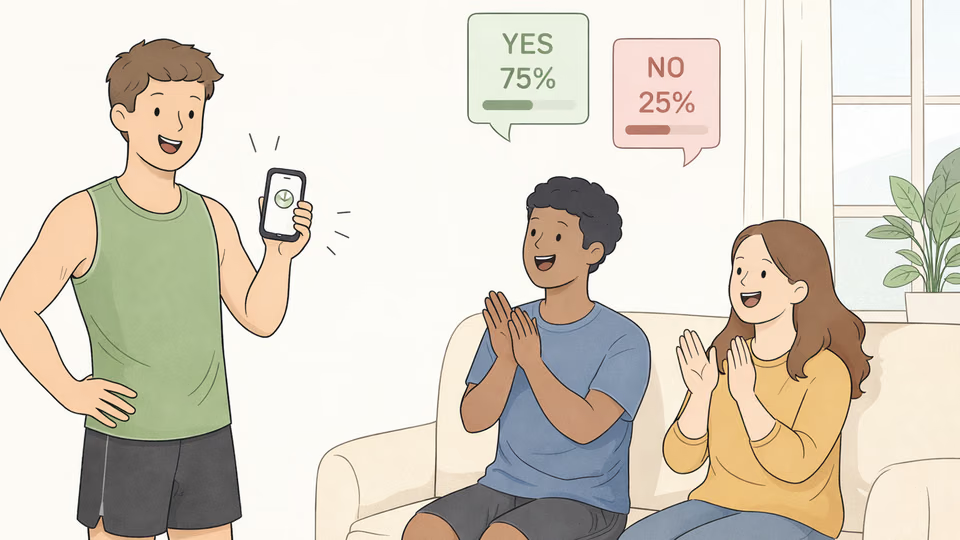
Anyone can nominate something they're about to do: a first 10K, a job interview, a house move. The group predicts a clear, checkable outcome, such as "Will Maria finish under 60 minutes by official chip time?" Always ask the friend first, let them set the goal and drop it if they say no. The unwritten rules for predictions about friends lists what to keep off the table.
What Other Async Games Keep a Scattered Group Playing?
3. Photo prompt of the week
One person sets a prompt such as "your view right now", "something you cooked" or "your commute". Everyone posts one photo when they can, no editing, no deadline beyond Sunday night. There are no winners. The point is a mini window into each other's lives, and it works because the effort is a few seconds with a phone.
4. Playlist guessing
Each friend adds one song a week to a shared playlist that matches their mood. On Sunday, everyone guesses who added which song, and one point goes to each correct guess. Songs often say what a friend would never type: a week of slow ballads is its own message.
5. Trivia with a rotating host
The host writes five questions on a theme they choose, say their hometown, the 90s or something they know too much about. Others answer privately to the host within 24 hours, and the host posts the answers and the scores. The twist that makes it personal is that hosts pick topics from their own lives, so you learn something real about each other. Sample round: "What's the name of the river that runs through my city?"
6. Caption contest
Someone posts a photo, ideally one of the group's own, and everyone writes a caption. Votes by emoji decide the winner, and the winner posts the next photo. Because it runs across a whole day, it suits any time zone. Group chat games for WhatsApp and Telegram has more formats like this, with rules for each.
Which Live Games Are Worth the Scheduling Effort?
A live session is worth it about once a month, not every week, because finding a slot is the hard part.
7. Video call game night
Pick one game everybody can open from their own device, such as a browser-based drawing game, a quiz or a party game played on phones, and keep it to an hour. End while it's still fun. Rotate the start time, so the friend in Sydney isn't always the one staying up late. If you're also hosting a real-life party, the same format works in a prediction layer for game night.
8. Watch together
Pick a film or an episode and press play at the same moment with the group chat open. A countdown in the chat ("on three") is enough, and many streaming services and video-call apps also offer a watch-party or screen-share option, so check what yours offers. For a long-running show, add a weekly prediction question before each episode, as weekly questions for reality shows describes.
How Do You Turn These Into a Ritual?
A ritual is a repeated activity with a fixed rhythm, and its power comes from repetition, not size. Think "every Sunday we post our weekly photo", not "an epic reunion once every three years".
There is little direct research on how rituals work for far-apart friend groups, so treat this as practical advice. The logic is simple: when contact depends on someone feeling inspired, it fades, and when it's built into a calendar, people show up out of habit. A good ritual has a fixed day with a flexible time, an ask of five minutes or less, a rotating host so one person doesn't carry the group, a visible record such as pinned results, and no judgment for skipping a week. Once a year, a live call to resolve the long questions and crown a champion makes a natural summit.
If a friend goes quiet, don't call it out in the group. Message them privately and ask what format would suit them better. The same logic applies to couples who live apart: a kind prediction game for couples works fine over a video call.
How Do You Run the Prediction Games on KrowdCall?
Everything happens in a link. The week's host creates a private question with clear rules and a closing time written in UTC, then shares the market's invite link in the group chat. Friends anywhere open it, sign in with Google and join at once, then predict with free virtual Coins whenever suits them. When the market closes, the host resolves it YES or NO with a short note, and the next host takes over. Each person's profit and loss report keeps score, so nobody needs a spreadsheet.
Where Should a Long-Distance Group Start?
Start with one ritual and one time zone rule. A weekly prediction or a weekly photo is enough, and it should take less effort than a message. Distance doesn't kill friendships; it removes the accidental moments that used to keep them going, and a small game puts a few of those back. For other occasions where a game helps, 25 prediction game ideas by occasion has more.
Choose something your friends would play without being asked twice, keep the window long, and book that in-person reunion. Then ask the group what the probability is that you actually go.
Frequently asked questions
Find quick answers to the most common questions about this topic.
Asynchronous games work best: prediction questions, photo prompts, playlist guessing, trivia and caption contests in a group chat. Each friend plays whenever their day allows, so time zones stop being an obstacle. Add one live video session a month for games that need everyone at once.

Author
BrumaReady to test your predictions?
Put your foresight to the test. Create your first prediction market in seconds — completely free, with no real money involved.