Group Trip Predictions: A Game for Planning and Travel
Group trip games that start in the group chat: predict if you'll book, the delays and the weather, with 15 kind questions and wording that ends arguments.


In short
Group trip predictions are a game where friends call dated yes/no questions about their own trip: will we book, will the train be on time, will it rain on day two. Start with the booking question, word every question with a time, a source and a threshold, and resolve each one from a named source.
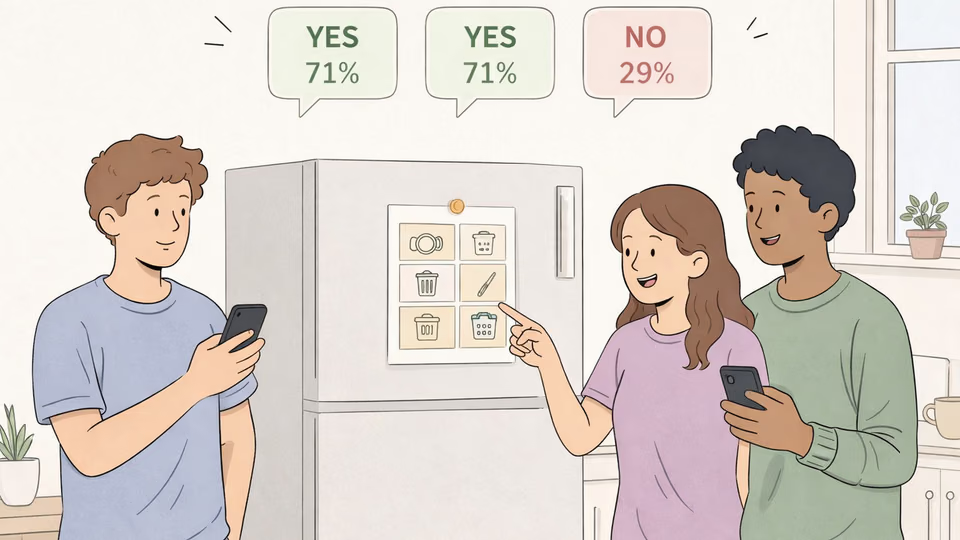
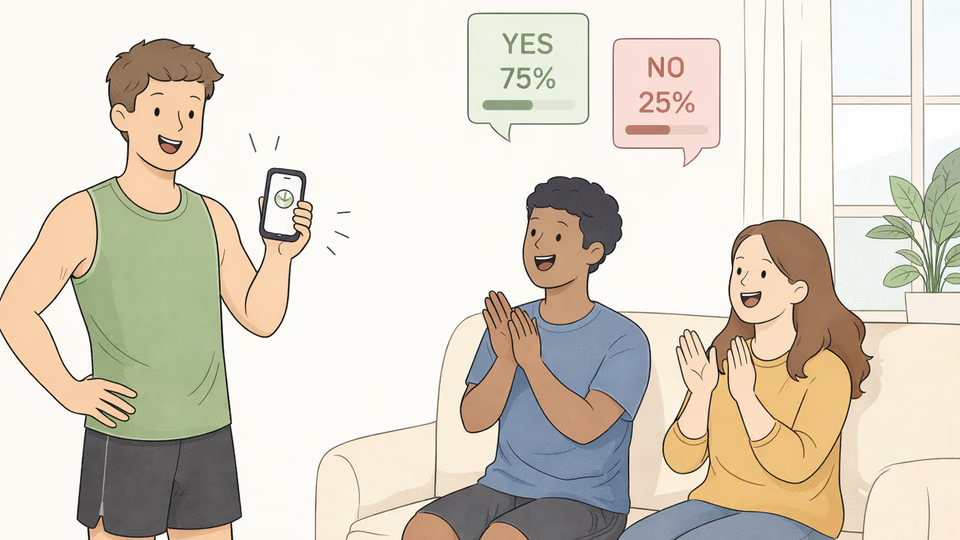
Every group has a trip that's been "almost booked" for three years. Someone sends the flight link, six people react with a thumbs up, and nobody enters their passport details. Group trip predictions turn that familiar chaos into a game: instead of arguing about whether this time is different, you predict it.
If you're after car games, plane games or beach games, this isn't the full list. It is one game that runs through the whole life of a trip: before you leave, friends call whether you'll actually book. During the trip, they call small moments like delays, weather and who comes down for breakfast last. Afterwards you check the results. For word games and quizzes to fill the long stretches in between, group chat games for WhatsApp and Telegram and game night ideas that add prediction challenges are good companions.
Why Start With "Will We Book by Date?"
Because it's the question your group already has a strong opinion about, and because it often does what a reminder never could: someone books. A date makes the planning visible, and a probability that sits at 30% for two weeks is a surprisingly effective nudge.
The wording is the whole trick. "Will we book the accommodation by the first of next month?" has a deadline and a clear check (a confirmation email, or a booking shown on screen). "Will we sort the trip soon?" has neither. Once the group has played this one question, the other trip questions come naturally, and the game grows from there.
One caution: a trip is also a moment when people are tired, hungry and spending money. A game that adds pressure will fail, so keep it light, short and optional.
How Do You Word Trip Questions So Nobody Argues?
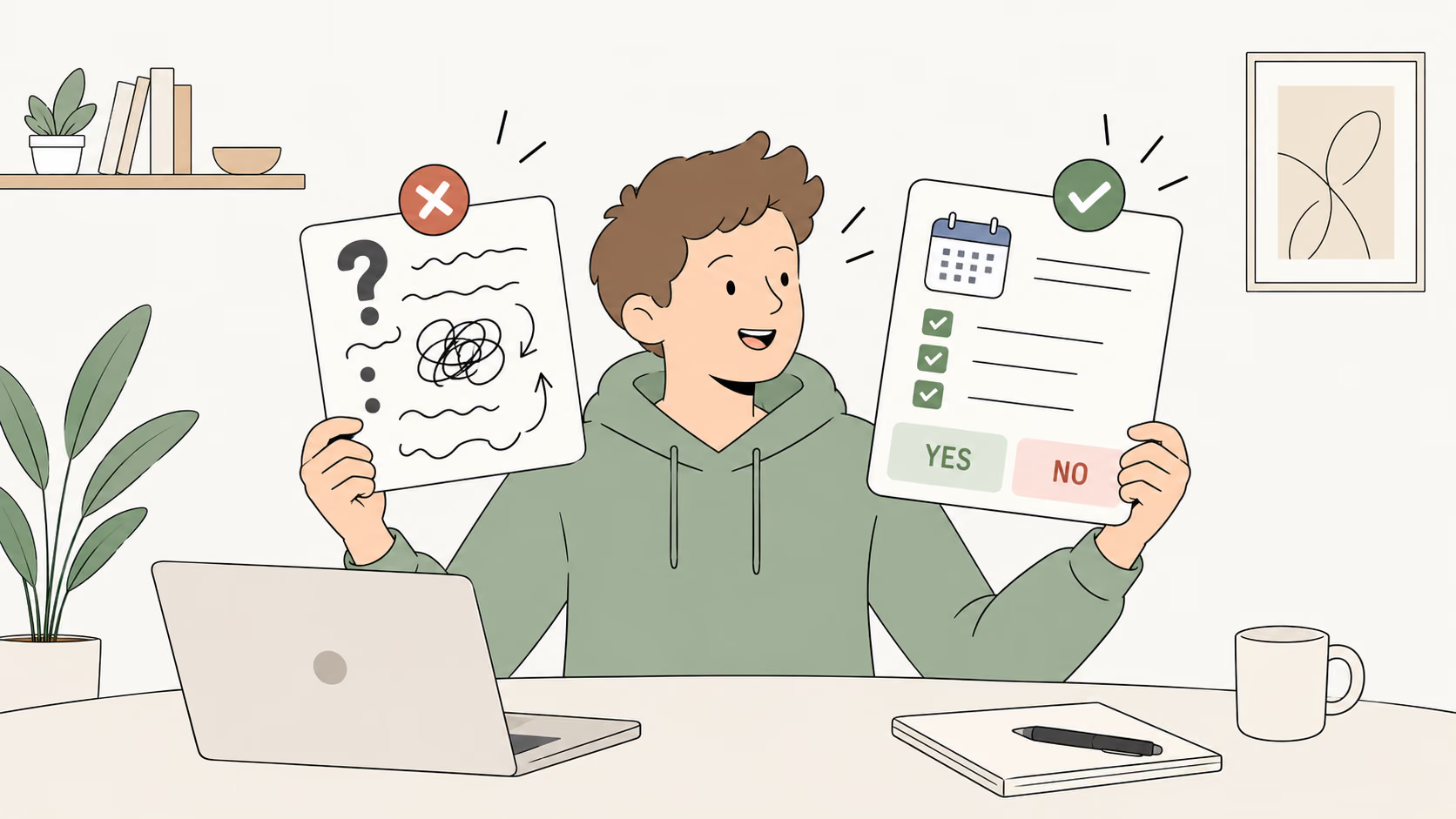
Every question needs a time, a source and a threshold. "Will the weather be bad?" invites a half-hour debate about whether drizzle counts. "Will it rain for more than one hour on day two in Lisbon, according to the named weather service's hourly history?" ends it before it starts.
| Vague | Resolvable | What was added |
|---|---|---|
| Will our train be on time? | Will our train leave within 15 minutes of its scheduled time, according to the operator's status page? | A threshold and a source |
| Will we get up early on day two? | Will we all be out of the door by 10:00 on day two, local time? | A time and a clock |
| Will the restaurant be busy? | Will we get a table at [restaurant] without a reservation on the first evening? | A yes/no event |
| Will the group photo be good? | Will we take a group photo before sunset on day one? | Something countable instead of taste |
Three habits cover most of the rest. Name the clock (local time at the destination, not your home time zone), define the edge (does "on time" mean five minutes or fifteen?), and pick a judge for the subjective ones. Keep the question about what happens, not about who is to blame. For a longer treatment of dates, sources and edge cases, how to write resolution rules nobody disputes goes through all of them.
What Are 15 Good Questions for Before and During a Trip?
Pre-trip questions test the group's most famous habit, not deciding. In-trip questions are smaller and quicker, and most resolve within hours, so they give a steady stream of results. Pick what suits your group; you won't need all of them.
Before the trip
- Will we book the accommodation by [date]?
- Will we book the flights or trains by [date]?
- Will at least [number] of us confirm that we're coming by [date]?
- Will we settle on a destination by [date]?
- Will the shared document have a complete day-by-day plan by [date]?
- Will we depart in the month we first suggested?
If the group's departure date starts to slip, you can move a market's closing time later while it's still open, as long as the new time is at least 30 minutes ahead. That is better than canceling a good question because a flight sale vanished.
During the trip
- Will our flight or train leave within 15 minutes of the scheduled time, according to the operator's status page?
- Will every bag arrive with us at the first destination?
- Will we reach the accommodation before [time] on the first day?
- Will we all be out of the door by 10:00 on day two, local time?
- Will dinner start before 8:00 pm on the first evening?
- Will it rain for more than one hour on day two in [town], according to [named weather service]?
- Will the high temperature on [date] reach [number] degrees, according to [named weather service]?
- Will we get a table at [popular restaurant] without a reservation?
- Will we be back at the accommodation before midnight on the last night?
Keep these about the group. "Who oversleeps?" can be fun, but only if the person is in on it and it's about a famously slow morning everyone laughs at. When in doubt, word it as "Will we all be out the door by 10:00?" and let nobody carry the joke alone. If you'd like to settle exactly where the line sits, the unwritten rules for predictions about friends is a good read before you leave.
How Do You Run Trip Predictions on KrowdCall?
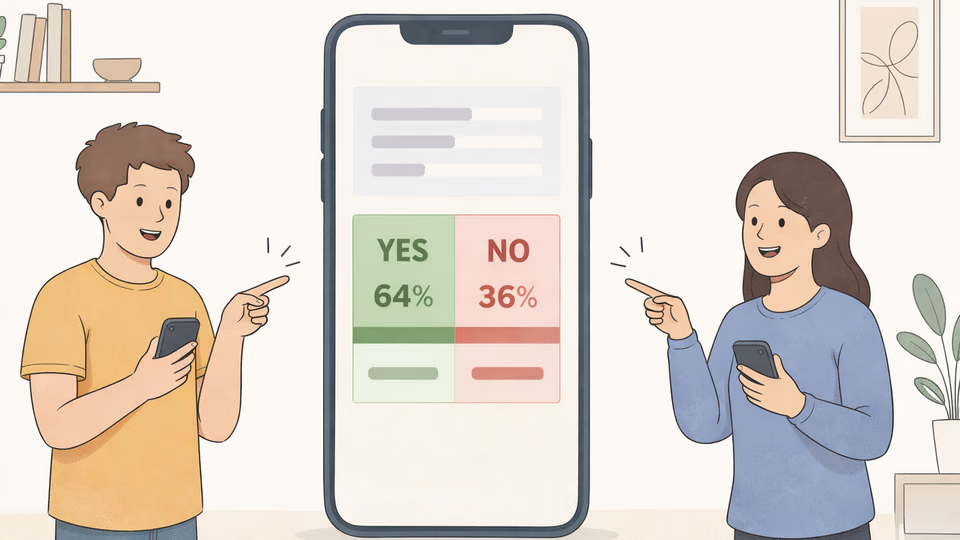
One friend creates the questions as private markets and shares the invite link in the group chat; everyone else joins by opening it and signing in with Google, then makes their calls. Markets are private by default, so only people with the link can see the questions, which matters when you're writing about your own travel plans.
Three things are specific to trips:
- Create the booking question first, before the trip exists as a plan. That is the one that benefits most from time, because the probability moves as people commit.
- Add the in-trip questions from your phone. It takes about a minute, and the closing time only needs to be 30 minutes ahead. Share the link in the chat and the new question is live.
- Decide who resolves what before you leave. The creator resolves each market after it closes, and an unresolved market is canceled after 7 days, so split the questions between two or three people instead of leaving them all to one.
You can start on the market creation page. Fast-moving price sensitivity suits a small group, because a couple of calls visibly move the probability, and the Players count on each market shows how many people have actually predicted. A bachelor or bachelorette weekend works the same way, and bachelor and bachelorette party games adds the extra etiquette for that setting.
What Should We Do When the Trip Is Over?
Resolve the last questions, name the best caller, and save the funniest resolution notes: they make a good memory a year from now. A screenshot of the final results is enough for the group chat.
Then, while everyone is still in a holiday mood, create the next question: "Will we book the next trip by date?" It's the one that started the whole game, and it's the only prediction on this page where the group saying YES means you're all going somewhere again.
Frequently asked questions
Find quick answers to the most common questions about this topic.
As soon as the trip is a vague idea in the group chat. The first question, will we book by a set date, is often the best one, because every group has a history of plans that never happened. Add more questions as the plan firms up and the departure date gets close.

Author
BrumaReady to test your predictions?
Put your foresight to the test. Create your first prediction market in seconds — completely free, with no real money involved.