Settle an Argument With Friends: Turn It Into a Prediction
How to settle an argument with friends: predictions settle the future, a lookup settles facts, taste can't be settled. Steps and group-chat examples.

In short
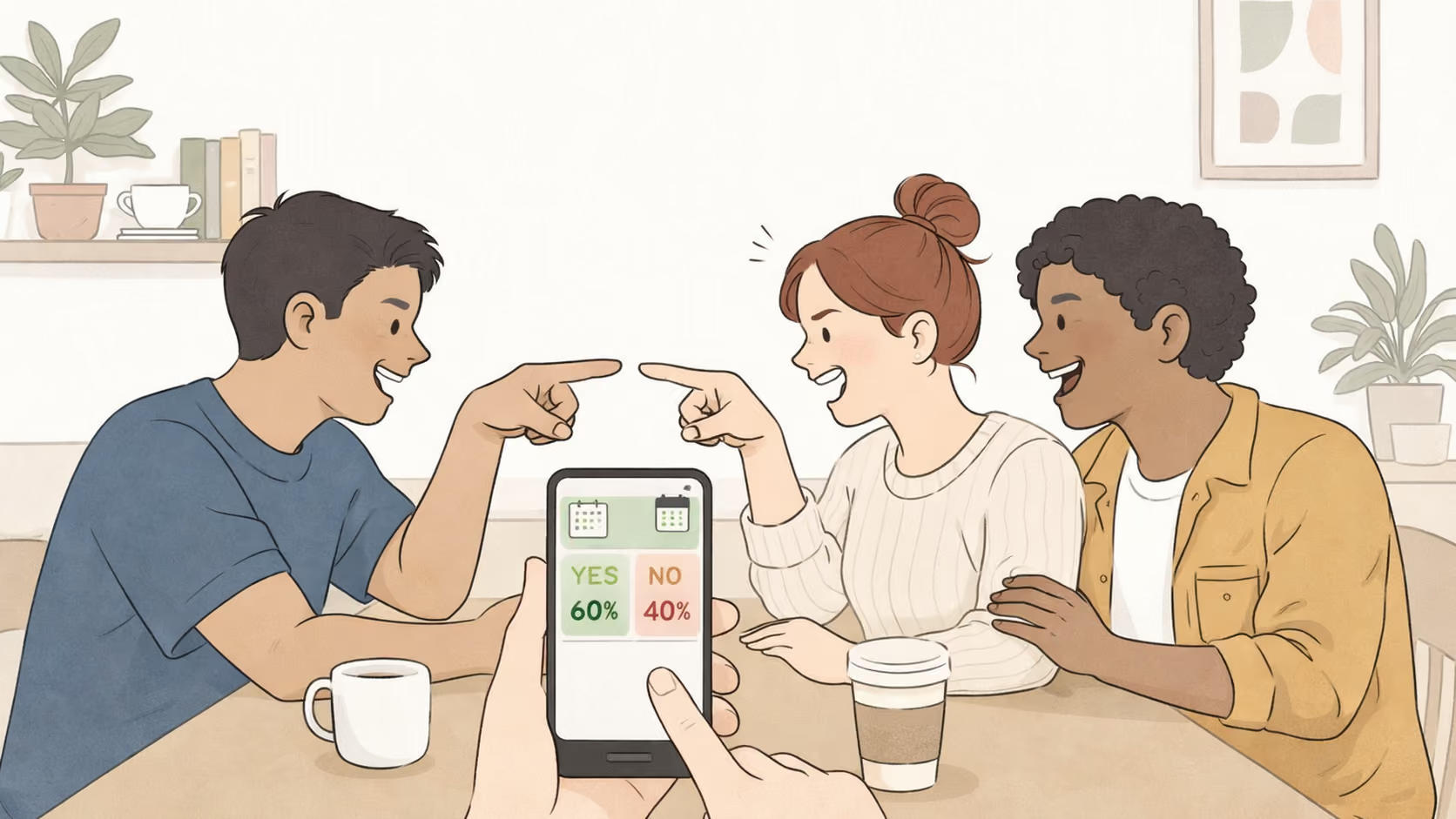
A prediction settles an argument with friends when the disagreement is about something that will happen: write it as a YES/NO question with a deadline and a named source, and the outcome decides. Facts that already exist can simply be looked up, and matters of taste can't be settled, which is fine.
The group chat was calm until someone typed, "There is no way the train will be on time." Within three minutes, six people had picked sides and one had replied with a single skull emoji.
We have all been in that argument. It is loud, it feels important and it never ends, because nobody has a way to be proven right. So can you actually settle an argument with friends? It depends on what the argument is about. A prediction settles disagreements about the future, a quick lookup settles facts that already exist, and matters of taste can't be settled at all. Let's sort out which is which, then see how to turn the first kind into a game.
Which Arguments Can You Actually Settle?
Only some, and knowing which saves a lot of shouting. Most friendly arguments fall into one of three kinds:
| Kind of argument | Example | What settles it |
|---|---|---|
| About the future | The 8:12 train will be late on Friday | A prediction with a deadline: the outcome decides |
| About a knowable fact | That film came out in 2014 | A lookup in a reliable source, right now |
| About taste or values | Pineapple belongs on pizza | Nothing, and that's fine |
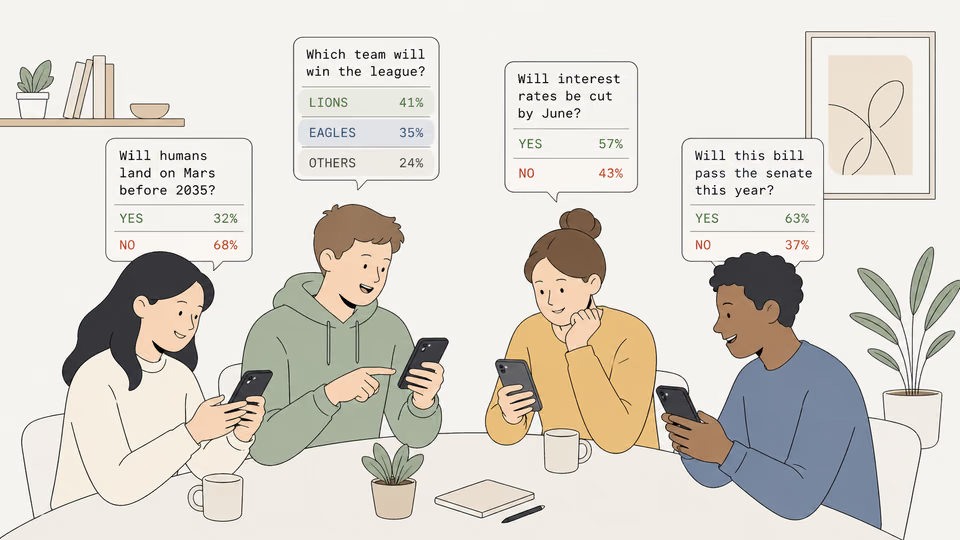
Arguments about the future are where a prediction shines. "That restaurant will be packed." "Priya will never finish that marathon." "He's going to cancel, watch." Nobody can win those today, because the thing hasn't happened yet, so the debate escalates through volume instead of evidence. A prediction gives it a finish line. You still get to say "I told you so", but you earn it by being right on a date everyone agreed on.
Facts that already exist don't need a game. If it can be checked in 30 seconds, check it and move on. If it takes a little effort, agree on a source and a time to look, and have everyone commit to a side before anyone searches. If the fact is lost, or a matter of personal memory, the fairest move is to laugh and let it go. A friend group survives not knowing who was right about the 2014 barbecue.
Taste is different: there is no fact to find, so no deadline helps. If your group is split on pineapple, enjoy it, or at most predict something measurable, such as how many people order it at the next pizza night. The opinion itself stays open.
How Do You Turn an Argument About the Future Into a Prediction?
Write it as a YES/NO question that one side calls YES and the other calls NO, with a deadline and a named source. The whole thing takes about two minutes.
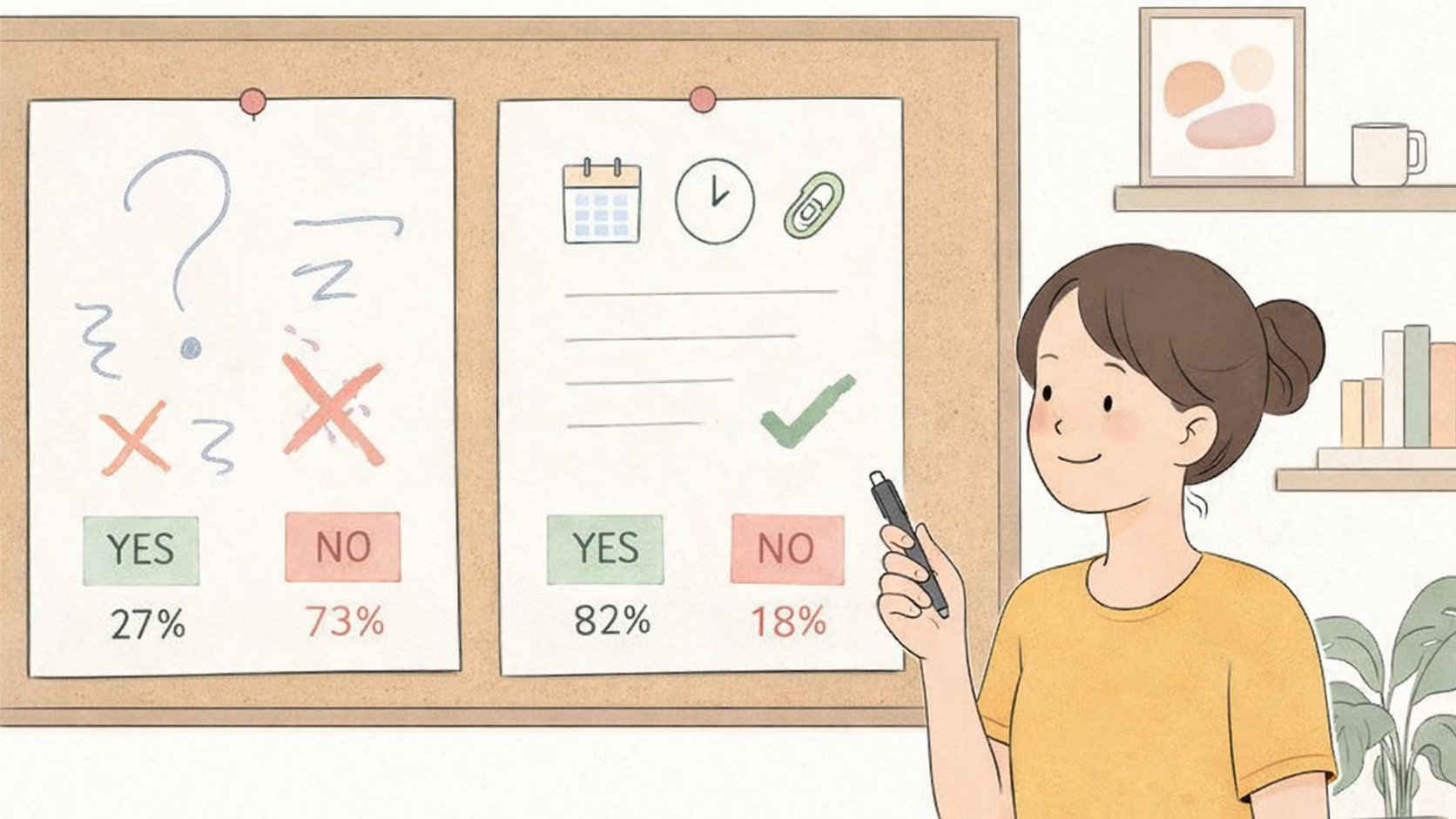
- Find the claim: what exactly is each person saying will happen?
- Turn it into a YES/NO question, with each side taking one answer
- Add a deadline with a time zone, and the moment predictions close
- Agree on the evidence and who confirms it
- Everyone commits to a side before the answer is known
The key is step 2. "The train will be on time" versus "it will be late" becomes "Will the 8:12 train arrive before 8:20 on Friday?" Same disagreement, but now it has an end. A good candidate is one the group is genuinely split on, that will be answered within days or weeks and that a screenshot, a score or a timestamp can confirm. A useful trick is to listen for confident declarations and swap them for "I'd call it". "I'd call it a no-show by 8:15" is a prediction waiting to be written.
For help with the wording, how to write a question nobody can argue about covers dates, sources and fallbacks.
What Do Real Group-Chat Arguments Look Like as Predictions?
Here are six common debates and how to rewrite each one.
| The argument | The prediction |
|---|---|
| We'll never actually book that trip | Will at least one friend share a booking confirmation for the trip in the chat before the end of next month? |
| Dani is going to cancel again | Will Dani still be at the dinner at 8:30 pm on Saturday, as confirmed by the host? |
| It's definitely going to rain on Sunday | Will the host's weather app show rain at noon on Sunday? |
| That show won't get a second season | Will a second season be officially announced within three months? |
| Our team will win the derby | Will our team win the match on Saturday, per the official result after full time? |
| Nobody will finish the book club book | Will at least 4 of the 6 members say in the chat that they finished by the next meeting? |
Each one keeps the spirit of the original and adds the three missing parts: a deadline, a checkable fact and a named source. None targets a person's character or private life, which is deliberate. If you're not sure whether an argument is safe to turn into a game, read the etiquette rules for predictions about friends first, and if you'd rather ask a quick preference question, a poll can be the better tool.
How Do You Keep It Fun When Someone Loses?
Winning feels great and losing stings a little, which is why the tone matters. Keep the prize silly: bragging rights, a title for the week or choosing the next restaurant. Celebrate the callers by name, and the best near-miss too. Let the loser pick the next question to settle.
Also know when to stop. If an argument is really about something that hurt, such as a broken promise or a hurt feeling, it deserves a conversation, not a scoreboard. Predictions are for the light stuff.
How Do You Settle an Argument on KrowdCall?
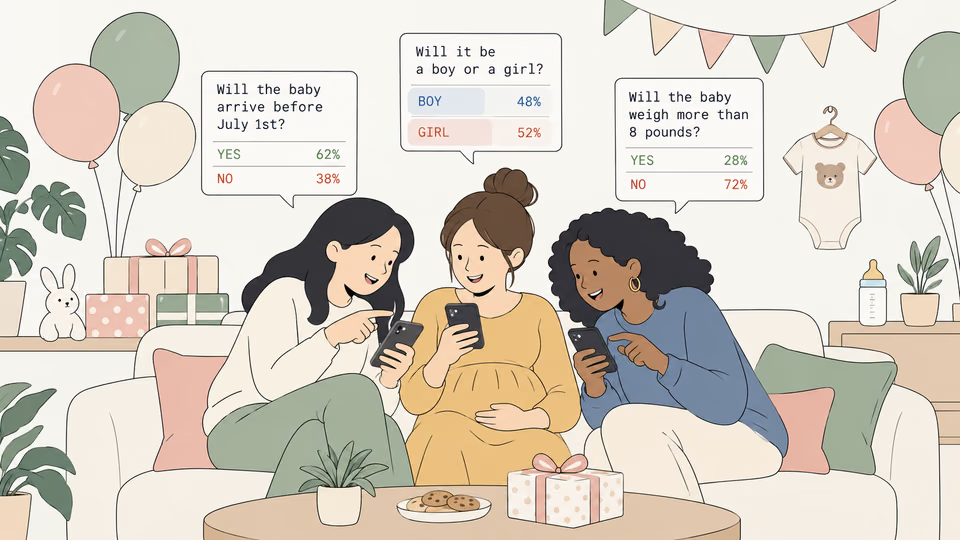
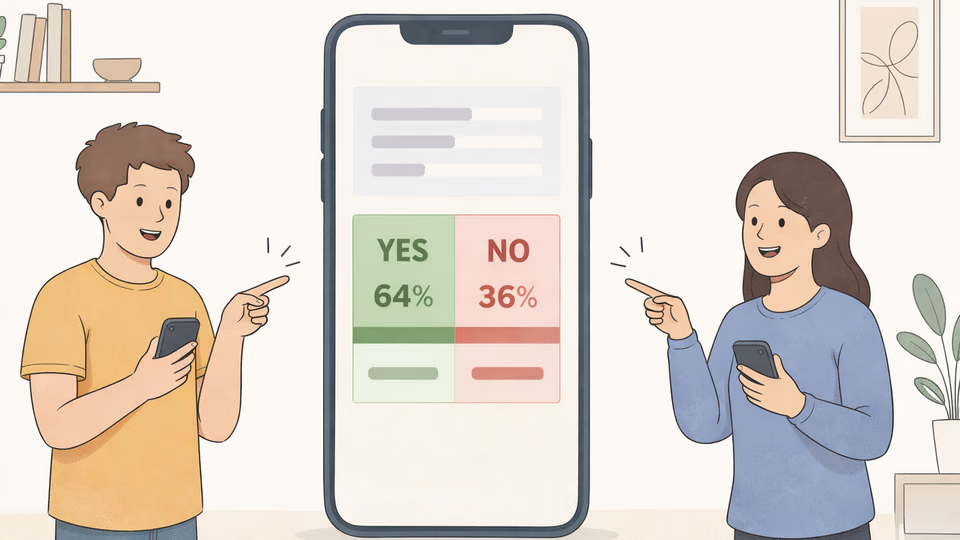
Write the argument as a YES/NO question, put the deadline and source in the resolution rules, and share the invite link in the chat. That is the whole setup. The market is private by default, so only the people who open your link can see and predict, and the live probability shows how the group splits before the answer arrives.
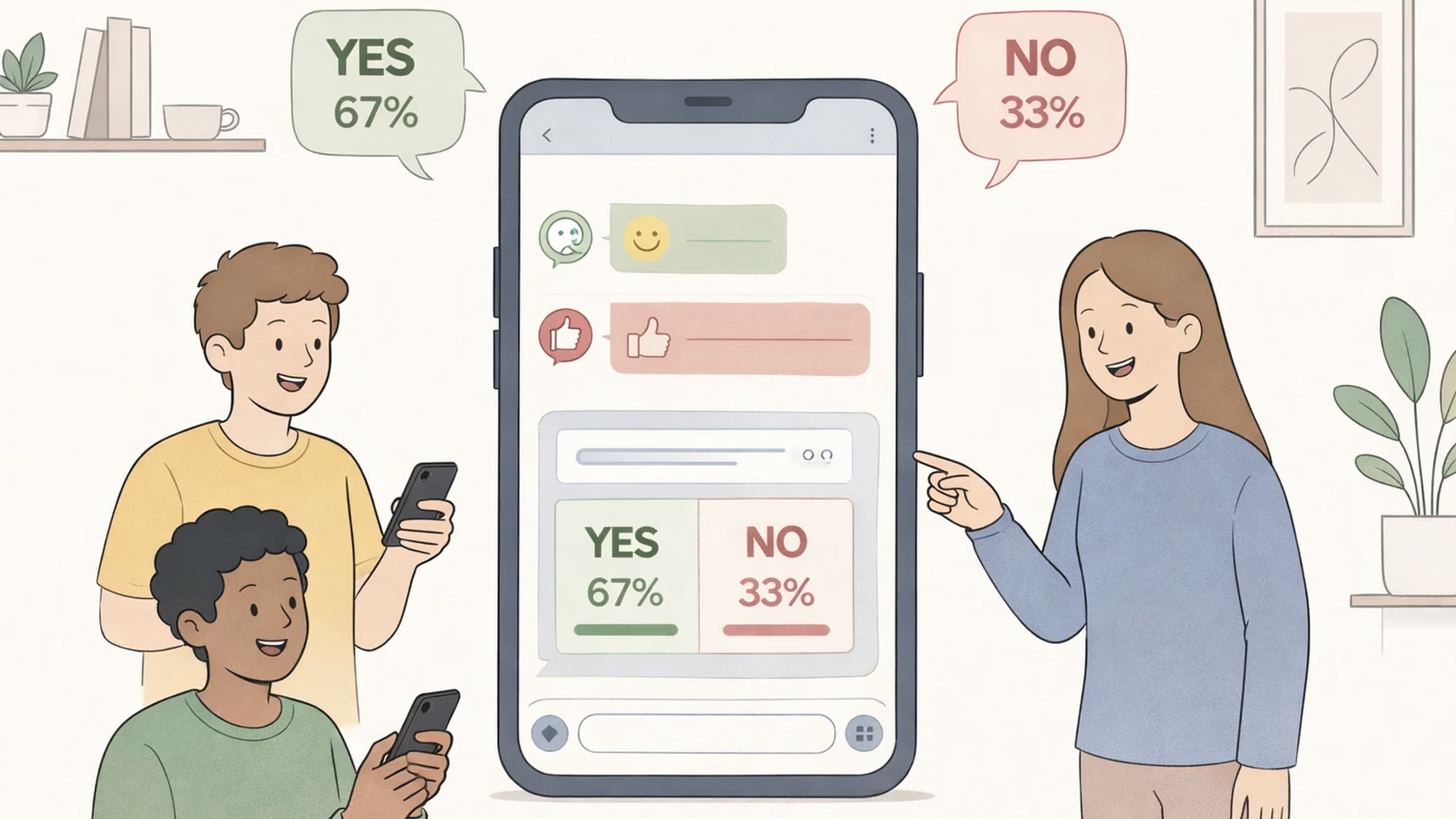
Friends who open the link sign in with Google and join at once, and everyone predicts with free Coins that have no real-world value. After the closing time, the creator resolves it YES or NO with a short note; how to resolve predictions fairly covers what to do when the evidence is murky. When you're ready, open the question form. For more ideas once the first one lands, 100 prediction questions about friends is a good next step.
So, What Is the Next Argument You Can Settle?
Think of the last debate in your group chat that nobody won, then ask the sorting question: is it about the future, a fact you can look up or a matter of taste? If it's about the future, write it as a YES/NO question, add a deadline and one line about who confirms it, and send it with a smile.
The point isn't to prove anyone wrong. It's to give the disagreement somewhere to go. When the date arrives and the answer is clear, you will have a winner, a laugh and one fewer argument still running in your chat.
Frequently asked questions
Find quick answers to the most common questions about this topic.
First decide what kind of argument it is. If it's about the future, turn it into a YES/NO question with a deadline and a named source, and let the outcome decide. If it's about a fact that already exists, look it up. If it's taste, enjoy the disagreement.

Author
BrumaReady to test your predictions?
Put your foresight to the test. Create your first prediction market in seconds — completely free, with no real money involved.